
Zuidlaren
Zuidlaren lies between Assen and Groningen, each just ten minutes away by car or bus. It is the village of Berend Botje and the greenest village in Europe. Call it a place where all the good things come together: walking, cycling, water sports, style and a warm, convivial atmosphere.
Zuidlaren is surrounded by nature. A walk or bike ride will show you the beautiful green countryside. But there is also plenty to see in the village itself: churches, listed monuments, a synagogue and museums. The centre is compact, so you can see everything in a single walk and enjoy the surroundings at the same time.
-
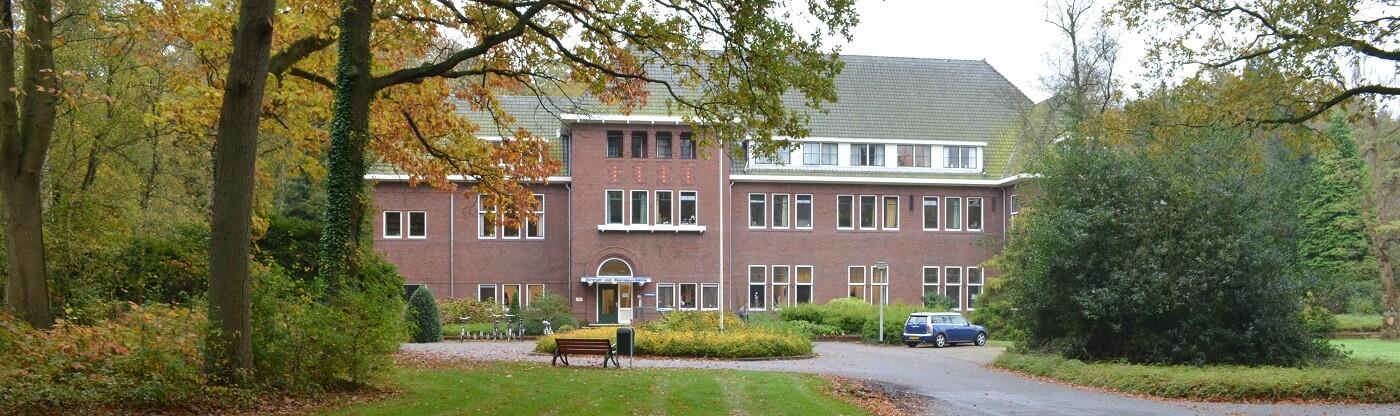
Dennenoord
Read more: DennenoordDennenoord is the wooded area between the village centre and Westlaren. It was laid out at the end of the 19th century for an institution of the Association for the Christian Care of the Insane and Nervous Patients in the Netherlands. The institution gradually grew into a complex of eighteen pavilions. A second institution was built in 1935.
-
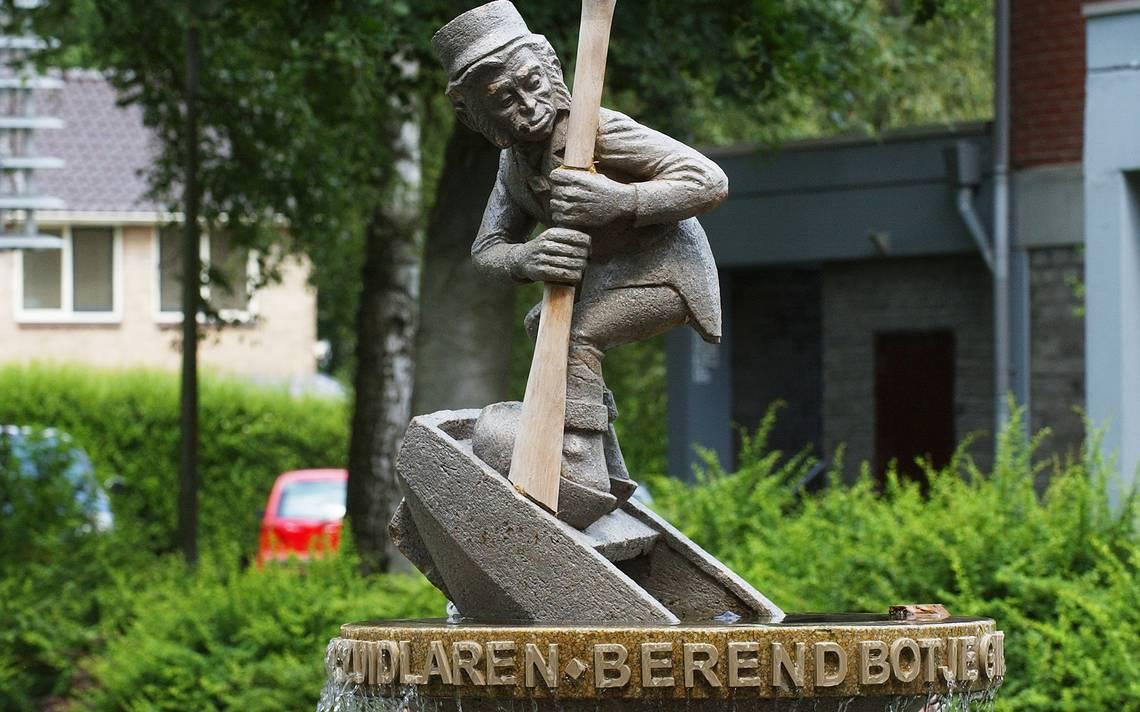
Berend Botje
Read more: Berend BotjeAnyone who thinks of Zuidlaren is bound to think of the Dutch children's song 'Berend Botje' as well. But who was he really?
-
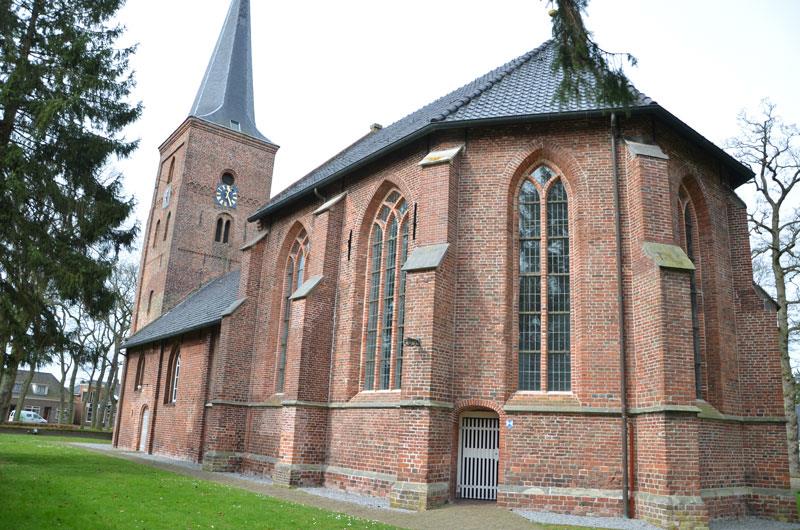
Churches
Read more: ChurchesOn the Stationsweg stands the Laarkerk, a modern church building. Together with the Reformed congregation of Anloo-Annerveen, the two congregations form a federation that aims to strengthen their cooperation and develop a joint policy.
-
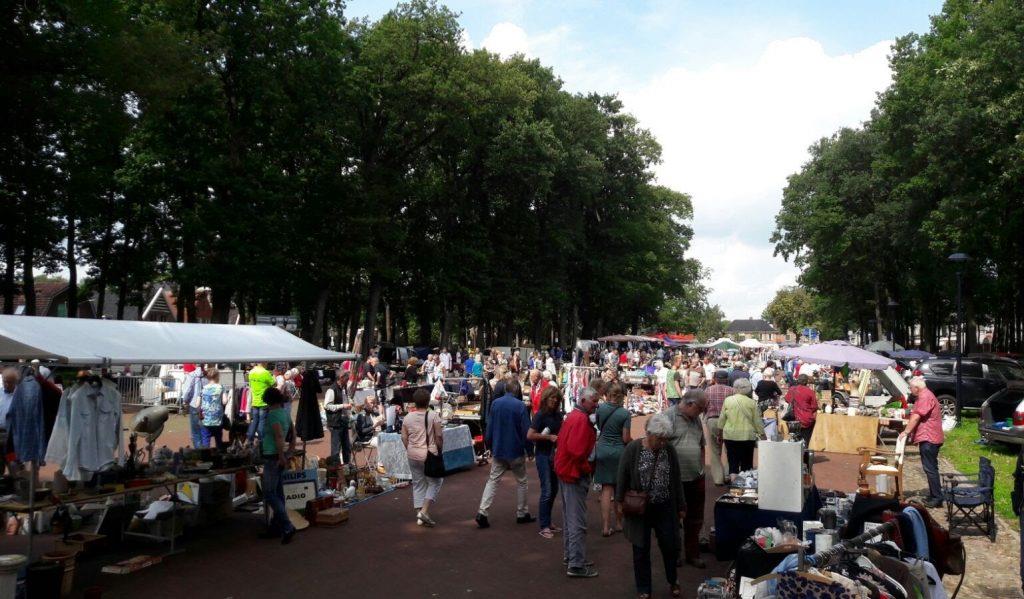
Markets and fairs
Read more: Markets and fairsEspecially in the summer months, Zuidlaren hosts a variety of markets and street fairs.
Start with a relaxed breakfast buffet, then stroll past the many stalls. -
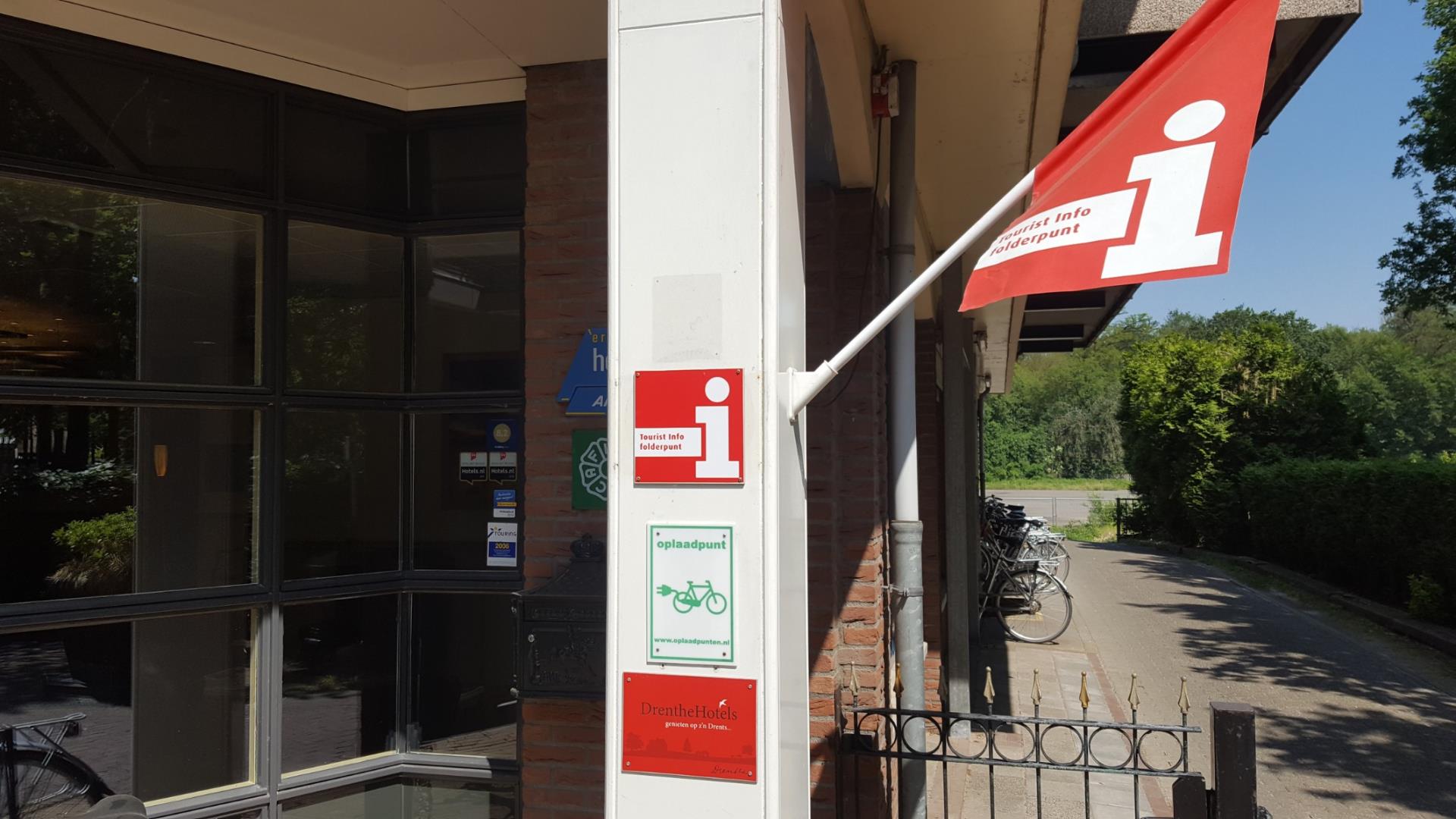
Tourist information point Zuidlaren
Read more: Tourist information point ZuidlarenFor tourist information you are also welcome at the Brinkhotel. We have a wide range of leaflets about our beautiful surroundings and our lovely province.
-
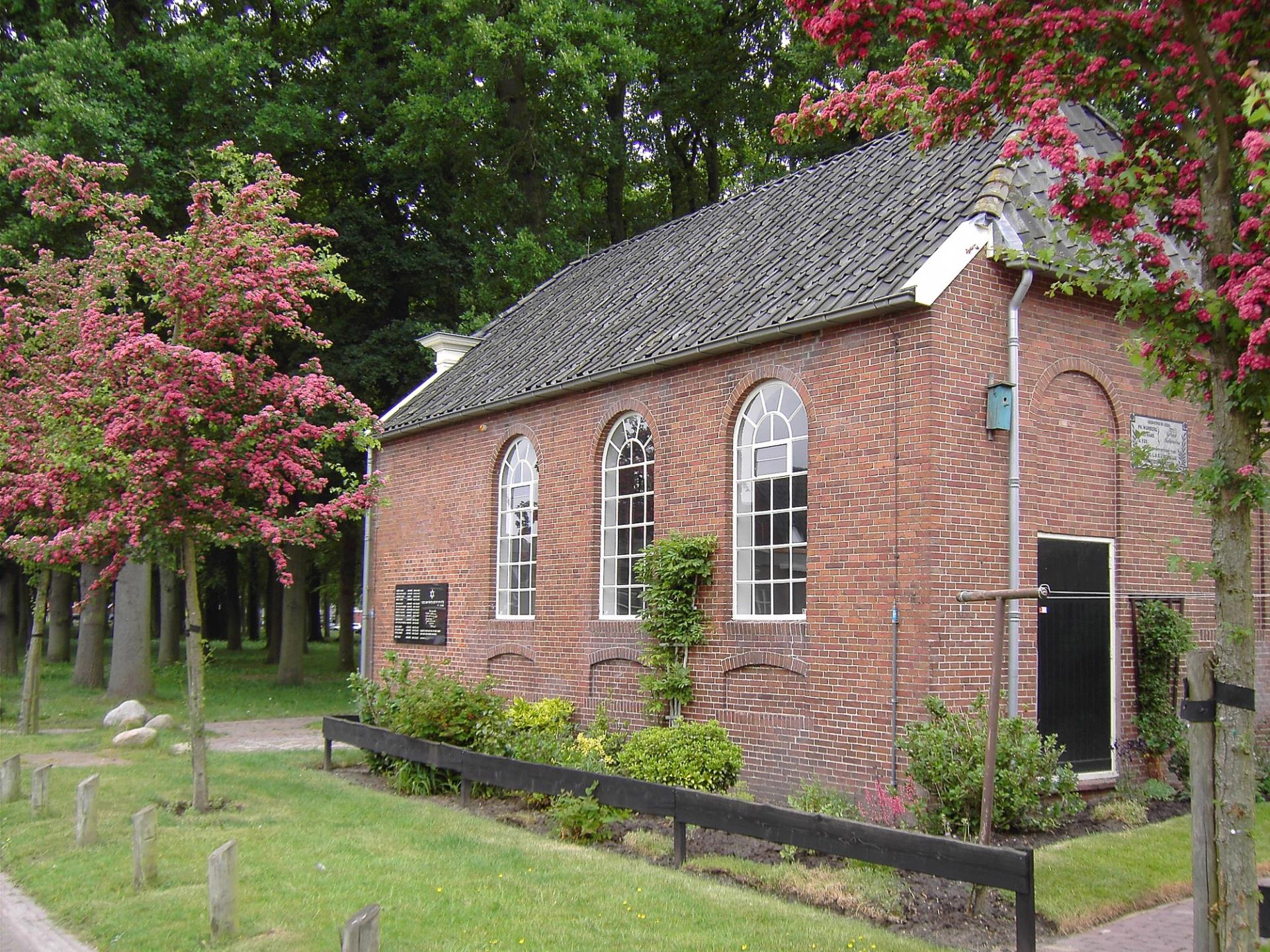
Synagogue
Read more: SynagogueZuidlaren's synagogue was built in 1884. At that time enough Jewish people lived in Zuidlaren to build and maintain a synagogue. The building was used as a synagogue until 1925, when the Jewish community had become too small to maintain it. In the following years it served as a warehouse, until it was confiscated by the occupying forces in the Second World War.
-
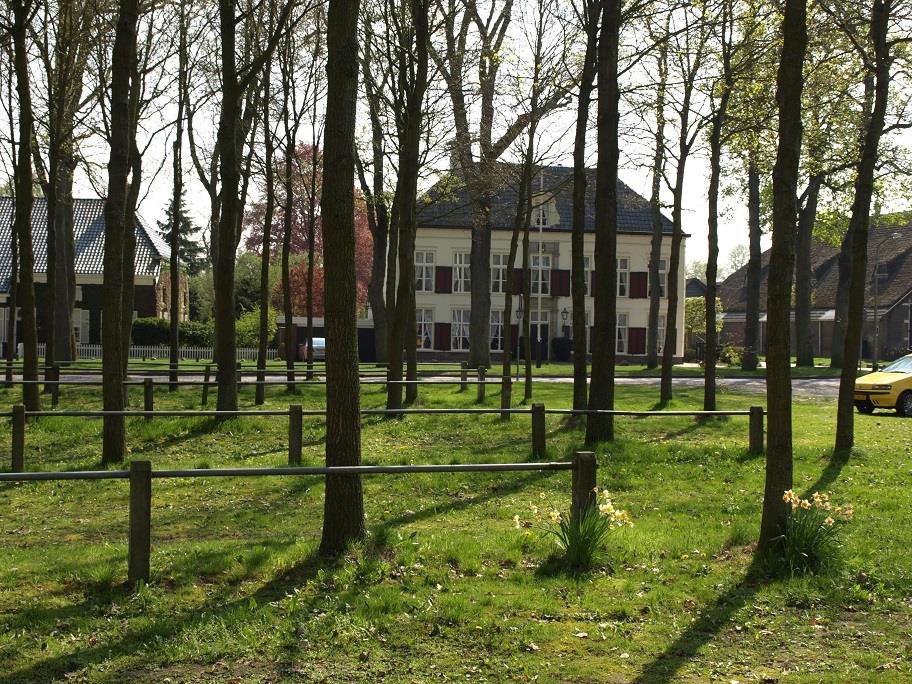
The seven village greens
Read more: The seven village greensZuidlaren has no fewer than seven brinks (village greens), which is why it is known as a green village.
In 2004 Zuidlaren was even named the greenest village in Europe!
The Pieterpad long-distance trail also passes several of the greens. -
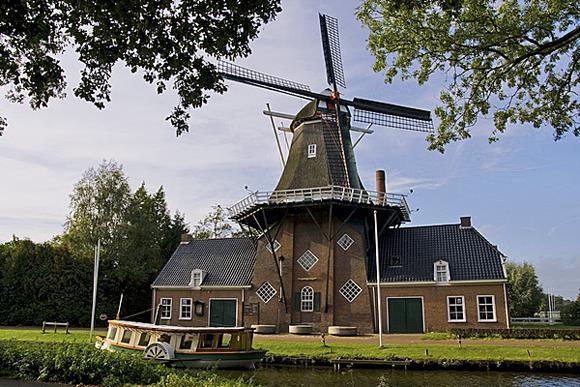
De Wachter
Read more: De WachterDe Wachter is much more than just a windmill. It is a museum mill with lots to do and see! The mill was built in 1851 to grind grain and spices, and oil was also pressed from linseed. In 1898 De Wachter was fitted with two steam installations to generate electricity. Zuidlaren itself was not connected to electricity until 1921.
-
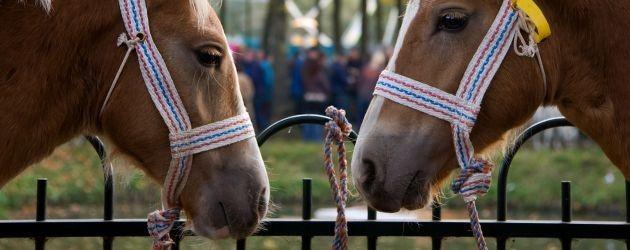
Zuidlaardermarkt
Read more: ZuidlaardermarktThe famous Zuidlaardermarkt takes place every year on the third Tuesday of October. It is not only a horse fair, but also a livestock and general market.
-
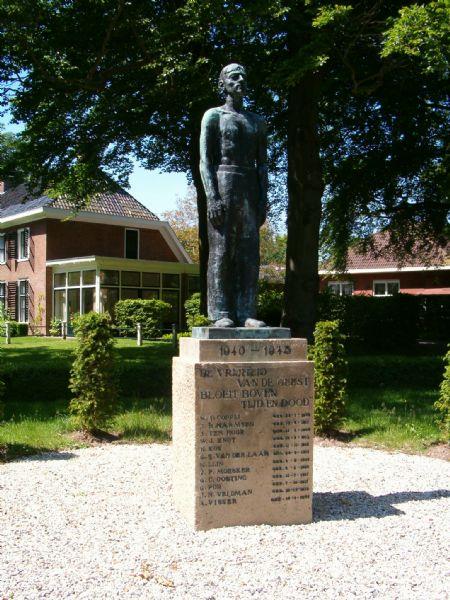
Resistance memorial
Read more: Resistance memorialThe Resistance memorial at the junction of the Kerkbrink and the Groningerstraat commemorates the resistance in the Second World War. During the war, several residents of Zuidlaren lost their lives as a result of the fighting. After the war it was decided to erect a memorial to the victims from Zuidlaren.